
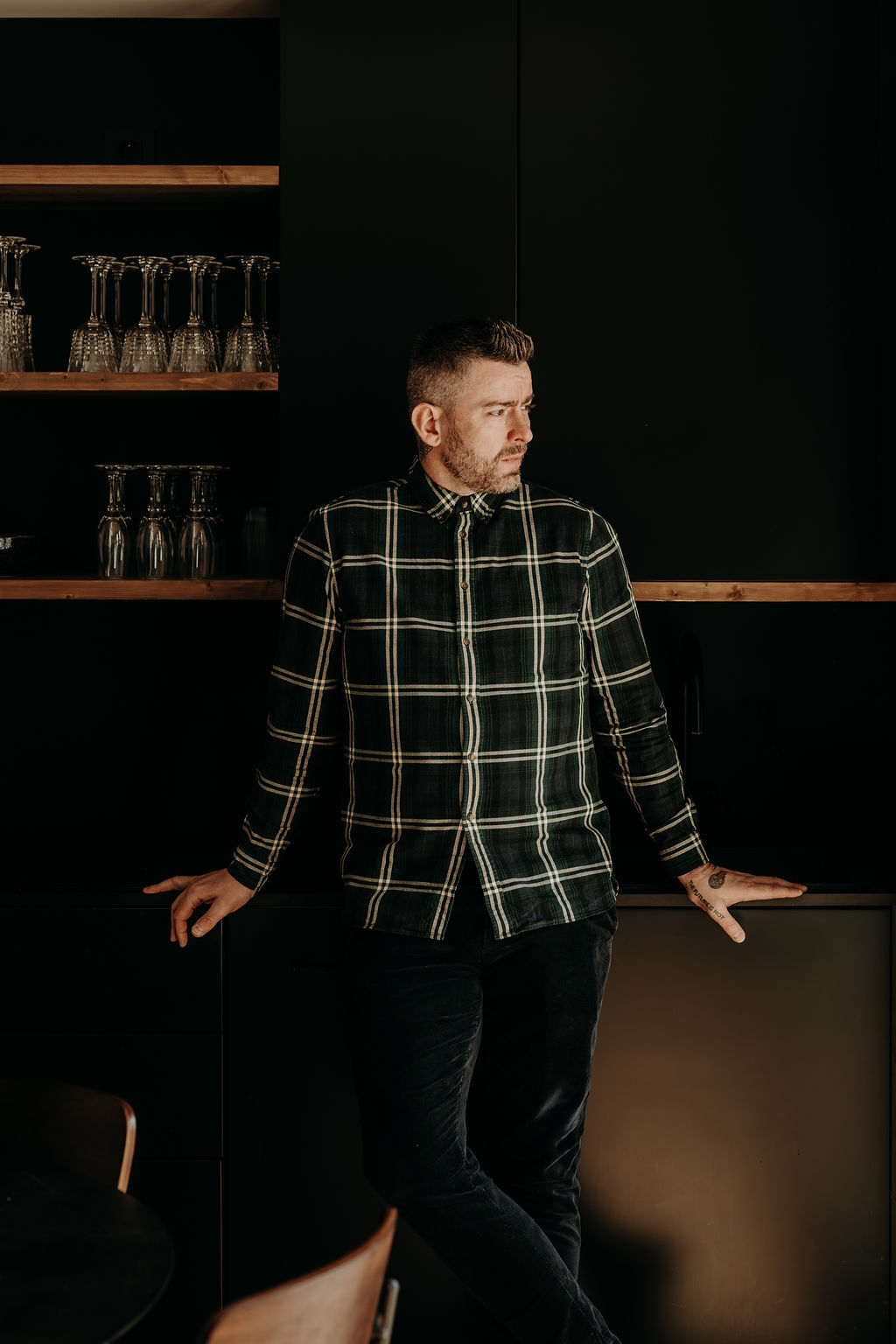
By Simon Monaghan
September 09 2025
Homebuyers in the Alps usually focus on the ski runs, snow depth, and finding perfect views for winter holidays.
But if you’re putting serious money into a property, you need to look at how the valley actually works when the snow melts.
Most ski resorts are ghost towns for six months of the year. Chamonix is entirely different, and the reason comes down to a few unglamorous but very important numbers.
The 10,000 vs 130,000 Dynamic
Chamonix has about 10,000 residents, but during winter and summer peaks, the population explodes to around 130,000.
Yearly, we get between 2 and 5 million visitors, which is a massive amount of demand for a very small, geographically tight space.
The biggest mistake people make is thinking Chamonix is just a winter resort.
For example, the summer calendar is a massive economic engine:
- June: The Marathon du Mont-Blanc draws over 5,500 runners, followed closely by the Chamonix Film Festival, which attracts an international crowd of filmmakers and adventurers.
- July: The town hits peak capacity with the Arc'teryx Alpine Academy, the Cosmo Jazz Festival, and the International Climbing Festival back-to-back.
- August: La Fête des Guides celebrates the valley’s deep heritage, right before the UTMB hits town—bringing 10,000 elite athletes and tens of thousands of spectators who spend heavily on accommodation and dining.
Because of this constant dual-season crowd, property here doesn’t sit empty collecting dust for half the year, which is why property values here grow at a steady 4% per year, routinely outpacing major European cities.
The 60-Minute Rule
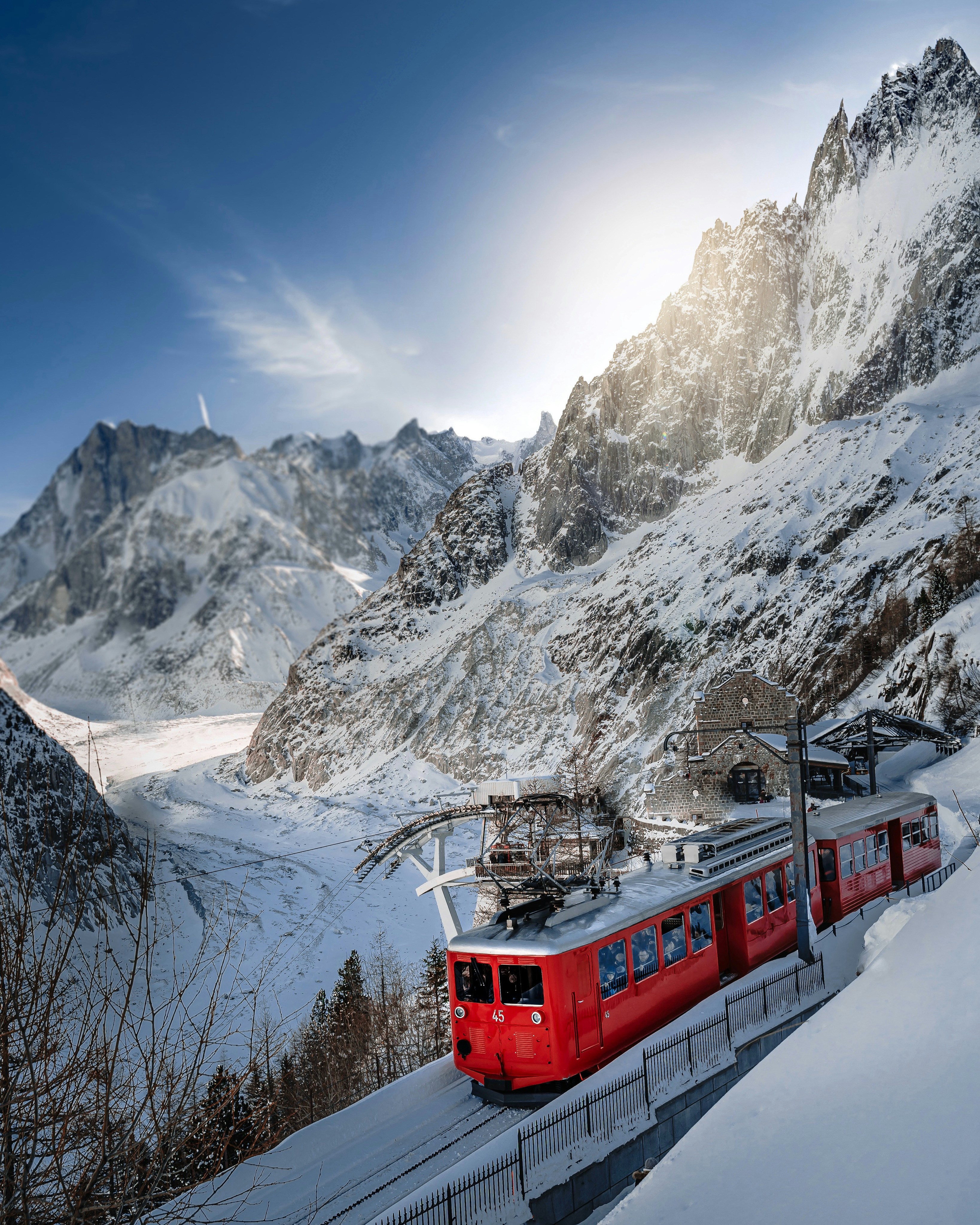
Chamonix is the closest major Alpine resort to a global airport hub.
You land at Geneva International Airport, grab your bags, and, a 60-minute drive later, you are sitting on your terrace with a coffee.
This turns a property from a place you visit 1-2 times a year into a frictionless base where you can spend weeks at a time, working remotely and flying back for meetings without losing a whole day to travel.
Where the Smart Money Moves
Because the valley is surrounded by massive granite walls and protected by strict local building rules (Plan Local d’Urbanisme), you can’t just build new homes whenever you want.
Supply is capped, and demand keeps rising, so you have to be smart about where you buy.
For us, it’s a little down-valley where the real potential hides:
- Chamonix Centre: This is the recession-resistant core. It is safe, in demand, and expensive, averaging around €11,800 per square meter.
- Les Houches: Just 6 minutes down the road, it’s rapidly gentrifying and offers value-luxury, averaging around €8,700 per square meter.
- Servoz: Our home base. A quiet, year-round village, 11 minutes down-valley from Chamonix, with a large English-speaking population, and, price-wise, it sits at around €7,000 per square meter.
We do our best work when we're renovating old, unloved and complex buildings that scare most buyers away.
Play By The Rules
Navigating this market means playing by ever-tightening rules.
For example, if you plan to rent your place out short-term, you now have to formally register the property online with the local Mairie.
Between changing rental laws and France’s strict energy rating systems (DPE), buying the wrong property can quickly become a headache.
Buying well means understanding both design potential and the legal realities of the valley.
We look at both.
Equal parts design and real life.
Contact Us.
Simon Monaghan - simon@odd.agency / +33 6 82 35 86 89 (English)
Angelique Monaghan - angelique@odd.agency / +33 6 67 16 85 86 (French)